 Dr. Vedat Çiçek
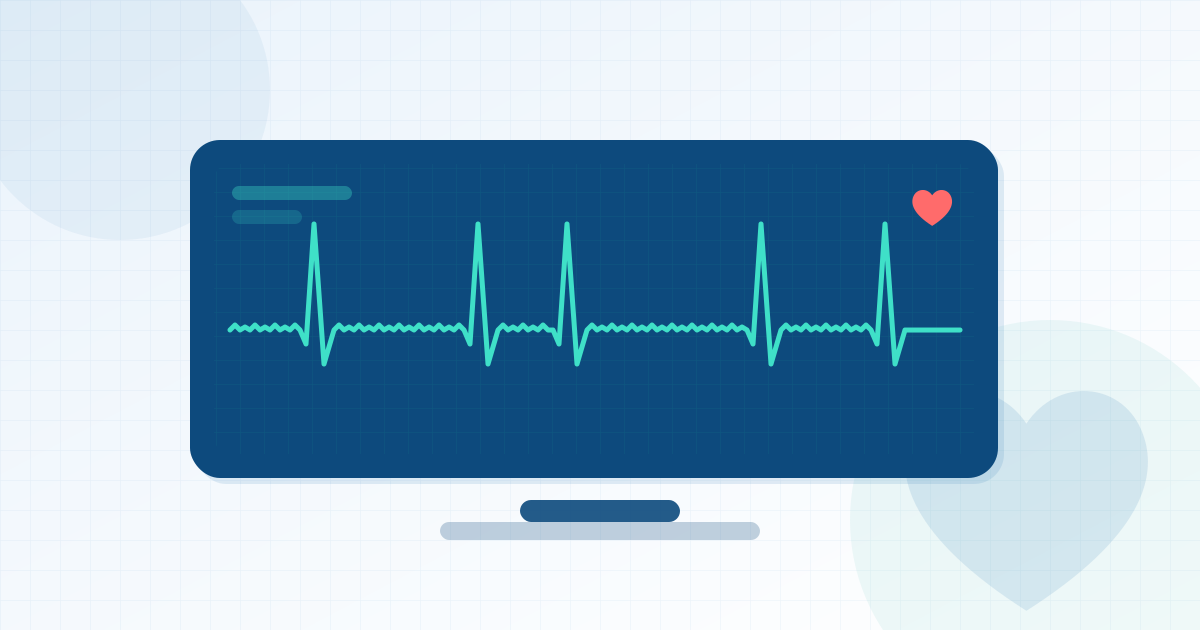
Atrial fibrillation (AF or AFib) is the most common sustained heart rhythm disorder worldwide, and it becomes more common with age. It sometimes causes no symptoms at all, yet if left untreated it can significantly increase the risk of stroke and heart failure. Early diagnosis and the right treatment make a real difference.
What is atrial fibrillation?
The upper chambers of the heart, the atria, normally contract in a regular, coordinated way. In atrial fibrillation, chaotic and very rapid electrical signals arise in the atria. Instead of contracting effectively, the atria quiver. As a result, the heartbeat becomes irregular and is often fast.
AF can come and go on its own (paroxysmal), last longer and need treatment to stop (persistent), or be present all the time (permanent).
What are the symptoms?
- Palpitations: a racing, fluttering or irregular heartbeat
- Tiredness and reduced exercise capacity
- Shortness of breath, especially on exertion
- Dizziness or light-headedness
- Chest discomfort
Many people have no symptoms. AF is often discovered by chance during a routine check-up, on an ECG, or through a smartwatch alert.
Why does it matter? Stroke risk
When the atria do not contract properly, blood can pool, especially in a small pouch called the left atrial appendage, and a clot may form. If this clot travels to the brain, it causes a stroke. Atrial fibrillation increases the risk of stroke about five-fold. Over time, a persistently fast heart rate can also weaken the heart muscle and lead to heart failure.
Call 112 (the emergency number in Türkiye) or your local emergency number immediately if you notice any signs of stroke:
- Facial drooping
- Sudden weakness or numbness in an arm or leg
- Difficulty speaking or understanding speech
- Sudden loss of vision or balance
Who is at risk?
- Older age
- High blood pressure
- Excess weight and obesity
- Sleep apnoea (snoring with pauses in breathing during sleep)
- Diabetes
- Heavy alcohol use
- Heart valve disease, heart failure and coronary artery disease
- An overactive thyroid gland
How is it diagnosed?
The diagnosis is made with an ECG recorded during an episode. For episodes that come and go, Holter monitoring or longer-term rhythm monitors may be used. Smartwatch ECG recordings are very helpful in raising suspicion, but the diagnosis must be confirmed by a physician. After diagnosis, an echocardiogram and blood tests are performed to assess the heart's structure and look for underlying causes.
How is it treated?
Treatment is tailored to each person and is built on a few key goals.
1. Preventing stroke
Your stroke risk is estimated with a score based on factors such as age, blood pressure, diabetes, heart failure and previous stroke. In people at higher risk, blood thinners (anticoagulants) greatly reduce the risk of stroke. The decision to start a blood thinner should always be made together with your doctor.
2. Controlling heart rate and rhythm
- Rate control: Medications slow the heart rate and relieve symptoms.
- Rhythm control: Medications or electrical cardioversion are used to restore and maintain a normal rhythm.
- Catheter ablation: The areas that trigger AF are electrically isolated using a catheter inserted through a vein in the groin. In suitable patients, it can greatly reduce symptoms. Read more in our guide to catheter ablation.
3. Managing risk factors
Controlling blood pressure, losing excess weight, treating sleep apnoea, reducing alcohol and exercising regularly all reduce AF episodes and improve the success of treatment.
Artificial intelligence and AF
Smartwatches and AI-assisted ECG analysis are playing an increasingly important role in detecting silent AF early. Dr. Vedat Çiçek's research at Northwestern University, Chicago, focused on the role of artificial intelligence in the diagnosis and management of atrial fibrillation.
Conclusion
Atrial fibrillation is common but treatable. With regular follow-up, the right medications and good control of risk factors, people with AF can lead healthy, active lives. Never stop your medications, especially blood thinners, without speaking to your doctor first.
Frequently asked questions
Is atrial fibrillation dangerous?
Atrial fibrillation itself is rarely immediately life-threatening, but it increases the risk of stroke about five-fold and can weaken the heart over time if the heart rate stays high. With proper treatment, most people with AFib live normal, active lives.
Can atrial fibrillation go away on its own?
Episodes of paroxysmal AFib can stop on their own, but the condition tends to recur and may become more persistent over time. Even if episodes stop, you should be evaluated for stroke risk and possible treatment.
Can I travel or fly with atrial fibrillation?
Most people with stable, well-controlled AFib can travel and fly safely. Carry enough of your medications, especially blood thinners, and a copy of your latest ECG and medication list. Discuss long trips with your cardiologist if your condition has recently changed.
Can a smartwatch detect atrial fibrillation?
Many smartwatches can detect an irregular rhythm suggestive of AFib and record a single-lead ECG. These recordings are useful, but the diagnosis must be confirmed by a doctor, usually with a standard ECG or Holter monitoring.
This article is for general information only and does not replace a medical consultation, diagnosis or treatment. Please make decisions about your own health together with your doctor.

Atrial fibrillation care in Istanbul
Request an appointment for diagnosis, treatment planning or a second opinion on atrial fibrillation.
Request an Appointment